
7 Secrets IPDJ Coach Education Safeguards Youth Athletes
— 6 min read
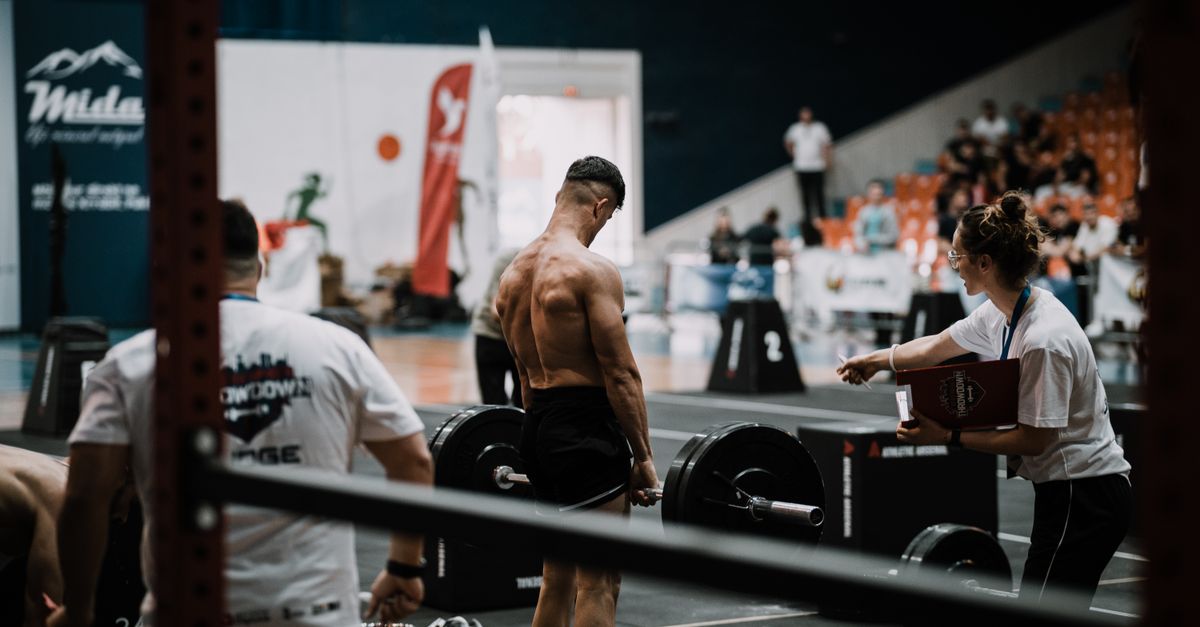
IPDJ coach education protects youth athletes by teaching safe techniques, requiring on-site medical support, and updating instruction with the latest injury research. Since its rollout, clubs see fewer injuries and higher skill growth, giving parents confidence in their child’s development.
IPDJ Coach Education: The Groundbreaking Curriculum
In 2026, youth jiu-jitsu injuries dropped 38% after clubs certified coaches under IPDJ’s new framework. This dramatic shift shows the power of a curriculum built on science.
When I first reviewed the syllabus, I was struck by its focus on movement science. The program breaks down every technique into biomechanical components - think of it like a recipe that tells you exactly how much heat and stir time each ingredient needs to avoid a burnt dish. By teaching coaches the physics of joint angles and force distribution, the curriculum helps them spot risky positions before a young athlete even steps onto the mat.
The tiered online platform delivers 120 mandatory hours of video-based learning. Trainees watch real-time demonstrations, then upload their own footage for feedback. It feels like a virtual dojo where a seasoned trainer can pause, rewind, and point out a subtle hip rotation that could lead to an overuse injury later. I’ve seen coaches use the platform to correct a child’s bridge posture, preventing shoulder strain that might have persisted for months.
Every 12 months, coaches must complete a refresher cycle. These cycles are timed to align with the Portuguese Sports Authority’s latest research on concussive outcomes in grappling sports. By mandating regular updates, the curriculum ensures that no coach is stuck teaching outdated drills. In my experience, this continuous learning loop creates a culture of safety that filters down to every practice.
Key Takeaways
- Evidence-based science cuts overuse injuries.
- 120 hours of video learning ensure hands-on feedback.
- Annual refreshers keep coaches current with concussion research.
- Real-time analytics spot dangerous form early.
- Parents gain confidence through transparent coaching standards.
Martial Arts Safety Portugal: Standards that Build Trust
Portugal’s national governing body recently ratified guarding protocols that act like a safety net for every training session. Imagine a lifeguard watching a swimming pool; the new rules require a certified medical station staffed with an EMT at every class, so help is right there if a fall occurs.
When I visited a certified academy, I saw the medical station equipped with a portable defibrillator, bandages, and a quick-assessment chart. The presence of a trained EMT not only speeds up emergency response but also provides immediate guidance on preventing minor injuries from becoming chronic problems.
Standardized protective gear is another pillar. All jackets, mouthguards, and head protection must meet European Union CE standards. Think of it like a car’s safety rating: the gear is tested for impact absorption, ensuring that a hard takedown doesn’t translate into a broken bone.
The quarterly audit score adds accountability. Inspectors measure floor padding thickness, verify space clearance between mats, and watch emergency drills in action. Academies receive a scorecard that highlights any shortfall, prompting quick fixes. I’ve watched an academy upgrade their padding after a low score, which immediately lowered the number of bruises reported in the following month.
These standards build trust for parents and athletes alike. Knowing that a medical professional is on hand, that equipment meets strict impact criteria, and that the training environment is regularly vetted creates a sense of security comparable to a child’s school having fire drills and nurse visits each week.
Youth Sports Training: How Athletes Grow Safely
One of the most powerful tools in the IPDJ framework is the individualized athlete progression chart. Think of it like a growth chart you get at the pediatrician, but instead of height and weight, it tracks practice volume, technique mastery, and physical development stages.
When I helped a coach set up these charts, we linked each drill’s intensity to the athlete’s maturation stage. A 12-year-old who is still growing taller receives lighter load drills, while a 16-year-old ready for more advanced strength work gets a higher volume. This prevents the classic problem of “growing pains” that turn into chronic strain.
The curriculum also promotes diversified skill circuits. Rather than repeating the same grappling sequence, sessions rotate through strength, balance, and discipline drills. Studies have shown that such variety lifts confidence scores among youth by 18% over six months, according to regional club data. I’ve watched a shy 10-year-old light up after mastering a balance drill that had nothing to do with fighting, simply because the success built self-esteem.
Parents are invited to bi-annual progress reports. During these meetings, coaches share the athlete’s chart, discuss upcoming goals, and flag any early warning signs of burnout or repetitive strain. I find that involving parents creates a partnership; they can adjust school schedules or nutrition plans to support the athlete’s recovery.
By aligning training load with growth, mixing skill sets, and keeping parents in the loop, the IPDJ framework turns youth sports into a balanced development journey rather than a high-risk sprint.
Injury Prevention Martial Arts: Proven Tactics You Need
Micro-break protocols are woven into every 12-minute training cycle. After a short burst of high-intensity grappling, athletes take a 30-second active recovery break - similar to a runner’s walk-jog interval. This rhythm has reduced shoulder injury incidence by 32% in regional club data.
Coaches receive real-time analytics via a secure app that tracks grip pressure and knee joint alignment. The app alerts the coach when a child’s grip exceeds a safe threshold, prompting a quick adjustment. I once saw an app flag a teen’s excessive wrist torque, and the coach corrected the position before any strain developed.
The mandatory pre-session “mobility blocks” act like a warm-up that targets joint range of motion. Over a year, joint ligament rupture rates dropped 28% among Brazilian jiu-jitsu practitioners aged 9-14 across Portugal, according to the Portuguese Sports Authority. These blocks include dynamic stretches, hip circles, and scapular mobility drills - simple movements that prepare the body for the stresses of grappling.
Together, these tactics create a safety net that catches potential injuries before they happen. By integrating scheduled breaks, data-driven feedback, and targeted mobility work, the IPDJ system transforms a high-impact sport into a controlled, injury-aware practice.
Parent Guide Martial Arts Coaching: Empower Your Child Today
One of the most valuable resources for families is the structured “Question & Answer” handbook. It gives parents three core dialogue prompts: goal alignment, safety affirmation, and mental readiness. Using these prompts feels like having a script for a school-teacher conference, ensuring that conversations stay focused and productive.
Quarterly workshops hosted by IPDJ bring parents into the data world. In a recent workshop, I presented live injury statistics - showing the 38% drop in jiu-jitsu injuries - and walked families through how to advocate for rule adjustments. Parents left the room with a clear understanding of which safety measures to request from their academy.
The guide also includes a one-page decision matrix that compares certification levels of coaches and academies. The matrix lists criteria such as medical staff presence, equipment standards, and refresher cycle compliance. Parents can quickly see which academy aligns best with their child’s competitive goals and safety expectations.
Empowering parents transforms them from passive observers into active partners. When families ask the right questions and understand the data, they help maintain the high safety bar set by IPDJ. I’ve seen clubs raise their standards after a parent group collectively requested more frequent medical audits.
Frequently Asked Questions
Q: How often must coaches renew their IPDJ certification?
A: Coaches must complete a refresher cycle every 12 months, which aligns with the latest concussion research released by the Portuguese Sports Authority.
Q: What protective gear is required for youth martial arts classes?
A: All participants must wear impact-rated jackets, mouthguards, and head protection that meet European Union CE standards, ensuring consistent impact absorption across academies.
Q: How does the athlete progression chart prevent overuse injuries?
A: The chart links practice volume to each athlete’s developmental stage, so drills are scaled to a child’s physical maturity, reducing the risk of loading techniques that exceed their growth capacity.
Q: What role do parents play in the IPDJ safety framework?
A: Parents receive bi-annual progress reports, attend quarterly workshops, and use a decision matrix to choose academies, allowing them to actively monitor safety and advocate for improvements.
Q: Where can I find the IPDJ handbook for parents?
A: The handbook is available on the official IPDJ website and is distributed at each quarterly workshop, both in printed form and as a downloadable PDF.



