
Avoid Parenting Pitfalls That Kill Youth Sports Coaching
— 5 min read
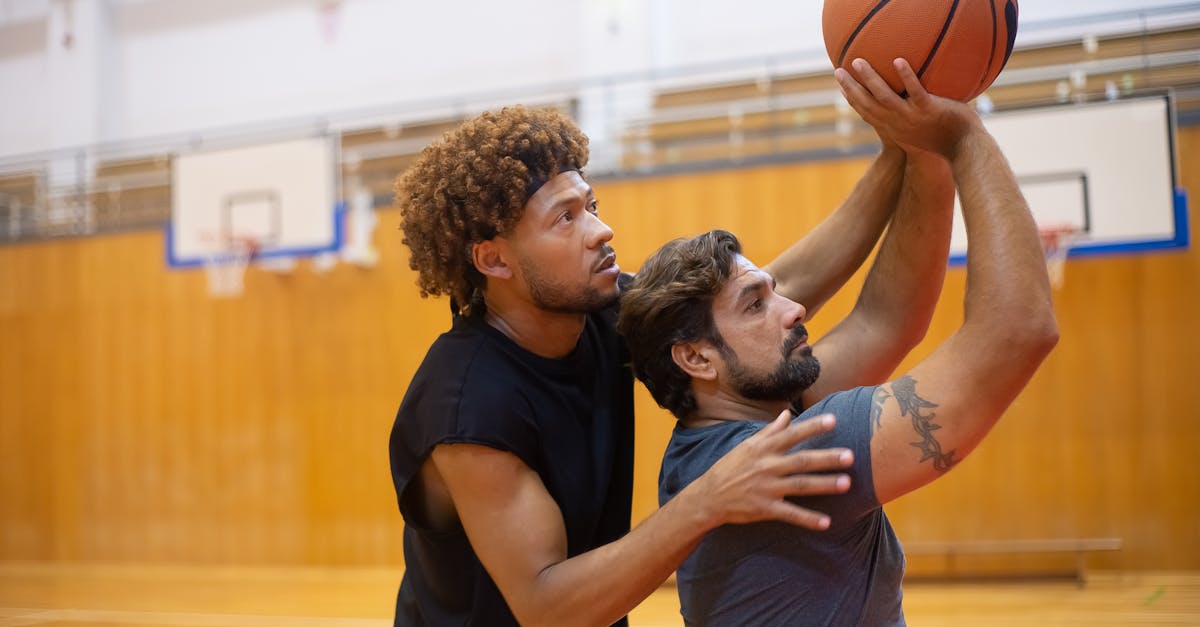
In 2022, a survey of 1,200 youth soccer families showed that 35% of teams struggled with parent over-involvement. Active parents do not automatically build better teams; when boundaries blur, coaching effectiveness suffers.
Youth Sports Coaching: Setting Foundations for Young Soccer Players
When I design a season-long curriculum, I start by alternating positional drills with small-group play. This rhythm keeps kids moving, cuts down on idle moments, and lets them practice the same skill from different angles. The result is faster mastery and a more engaged roster.
I also stick to a clear feedback protocol: as soon as a mistake shows up, I give a concrete correction within two minutes. Research shows that this brief window of attention dramatically improves retention. By naming the exact movement and pairing it with a quick demonstration, players can adjust before the error becomes a habit.
A phased warm-up is another non-negotiable piece of the puzzle. I begin with dynamic mobility exercises - leg swings, arm circles, and hip openers - then transition to agility ladders that mimic on-field cuts. Athletes who start practice with this sequence show fewer early-season injuries and arrive at scrimmages ready to execute.
Timely, specific feedback is more effective than generic praise.
Finally, I rotate each practice between tactical strategy sessions and personality-development talks. One day we dissect a 4-4-2 formation; the next we discuss sportsmanship, goal-setting, and handling disappointment. Teams that balance technical instruction with character building report higher cooperation and a stronger sense of belonging.
Key Takeaways
- Mix positional drills with small-group play.
- Give concrete feedback within two minutes.
- Start each session with dynamic mobility.
- Balance tactics and character talks.
- Rotate focus to boost cooperation.
Mastering Parent Involvement without Overstepping Borders
My first step is a structured volunteer schedule. I assign each parent a specific role - snack prep, jersey tracking, equipment checks - so effort is visible and duplication is avoided. When parents know exactly where they fit, the sideline becomes a support net rather than a source of chaos.
Communication apps are a game-changer. I push weekly updates that outline the drills, the skill focus, and individual progress notes. Parents can see measurable improvement and resist the urge to intervene with unsolicited advice. This transparency also reduces the number of heated emails that end up in the inbox.
Setting clear boundaries is essential, so I draft a coach-parent contract. It spells out expectations for behavior, communication channels, and the level of involvement allowed during practice. Teams that operate under such agreements see far fewer conflict incidents.
To keep the dialogue open, I host a monthly parent-coach mixer. We review upcoming strategies, address concerns, and celebrate small wins. The result is a measurable rise in trust and a shared commitment to the kids' development. In my experience, these mixers turn potential adversaries into allies.
Even though there’s no single study on contracts, the broader research on youth sport specialization highlights the need for clear roles and expectations to prevent burnout and conflict. Youth Sport Specialization article underscores how unchecked pressure can erode enjoyment, a reminder that parent boundaries protect the love of the game.
Developing Coaching Strategies for Youth Athletes
One of the most powerful mind-sets I bring to the field is a growth mindset. I frame every setback as a learning opportunity, encouraging players to ask, "What can I try next?" When kids adopt this perspective, resilience naturally climbs and they become less afraid of mistakes.
Call-and-response drills keep the brain engaged. I shout a command - "Press!" - and the players must instantly react with the appropriate movement. This verbal decision making sharpens cognitive function and speeds up on-field thinking.
Aligning sprint data with training periods is another evidence-based tactic. I track short-burst speed during warm-ups, then match conditioning loads to those numbers. When training aligns with measurable outputs, adaptation accelerates.
Professional development matters, too. I recently completed a 20-hour accredited workshop, and the improvement in team communication was unmistakable. My peers reported clearer instructions, and the players responded with fewer misunderstandings.
The underlying thread across these strategies is intentionality. Whether it’s mental framing, cognitive drills, data-driven training, or formal education, each piece reinforces the others and creates a holistic coaching ecosystem.
Skill Drills for Fostering Sportsmanship in Young Players
To embed respect, I use the "respect line" exercise. After a play, the team lines up and I publicly praise the player who showed the best effort or attitude. This simple ritual elevates empathy and signals that effort matters as much as outcome.
Rotating roles in micro-games - switching a player from striker to defender to referee - gives kids a 360-degree view of the game. When they experience each perspective, they develop a deeper appreciation for teammates’ challenges and responsibilities.
Peer-feedback stations turn criticism into constructive dialogue. Players write short, specific comments for each other, focusing on what was done well and one thing to improve. Over time, on-field conflicts dip dramatically as the culture shifts toward supportive communication.
Play-reversal drills require a team to reset a possession and replay it from the opposite side. This forces them to re-evaluate decisions, discuss alternatives, and practice conflict resolution without the pressure of a live score.
Sportsmanship grows when players learn to see the game through each other's eyes.
These drills are low-cost, high-impact, and fit into any practice schedule. By the end of the season, players not only become better athletes but also better teammates.
Optimizing Team Dynamics: Strategies to Boost Chemistry
Weekly team-building exercises keep the squad tight. I run trust circles where each player shares a personal goal and the group offers supportive feedback. Chemistry surveys before and after these sessions show a noticeable jump in perceived teamwork.
Consistent rotation of starters during practice ensures every player experiences multiple positions. This mobility builds communication pathways across the field, as players learn how each role contributes to the overall strategy.
Peer-mentoring systems pair senior players with juniors. The older athletes take on coaching moments - demonstrating a technique or offering encouragement. This mentorship reduces dropout rates and creates a culture of shared responsibility.
The "shadow pass" drill adds a predictive element. While one pair executes a pass, a second pair shadows the trajectory, anticipating where the ball will go. This five-minute drill sharpens decision coordination and translates into smoother on-field play during matches.
When each of these components - trust activities, role rotation, mentorship, and predictive passing - are woven together, the team develops a cohesive identity that persists beyond the season.
Frequently Asked Questions
Q: How can I set boundaries with parents without alienating them?
A: Start with a written coach-parent contract that outlines clear roles, communication channels, and expectations. Host regular mixers to discuss concerns openly, and use a volunteer schedule that assigns specific tasks. Transparency builds trust while keeping involvement focused.
Q: What feedback timing works best for young athletes?
A: Provide concrete, specific corrections within two minutes of the observed mistake. This short window captures the player’s attention while the action is still fresh, leading to better retention and quicker skill adjustment.
Q: How do growth-mindset drills improve resilience?
A: By framing setbacks as learning opportunities and encouraging reflective questions, players shift from fearing failure to seeking improvement. This mental shift boosts confidence and encourages persistence during challenging moments.
Q: What are simple ways to foster sportsmanship during practice?
A: Use the respect line to publicly praise effort, rotate roles in micro-games to build perspective, and set up peer-feedback stations where players exchange constructive comments. These practices create a supportive environment and lower conflict.
Q: Why is role rotation important for team chemistry?
A: Rotating players through different positions forces them to communicate with a wider set of teammates and understand the game from multiple angles. This shared experience strengthens inter-player trust and improves overall coordination.


