
How One Team Rewrote Youth Sports Coaching Rules
— 6 min read
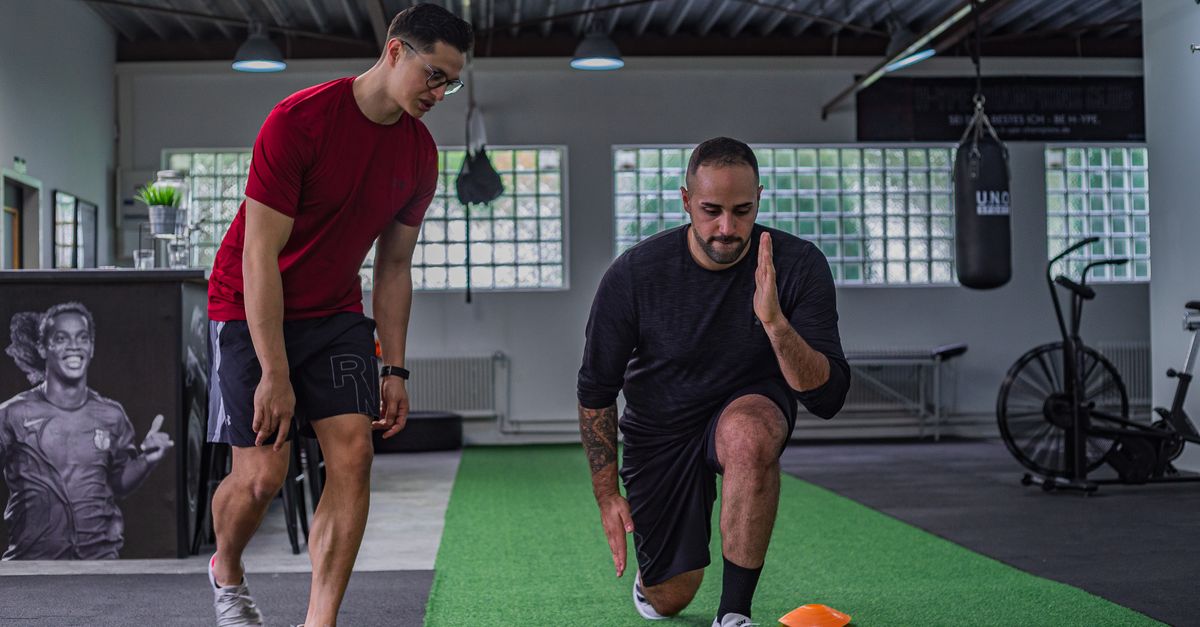
In 2024, a single youth soccer team transformed coaching by adopting AI-driven analytics and smart dashboards that personalize drills, track performance, and lift player retention.
Imagine opening a mobile app that instantly tells you a player’s weakest foot, the exact speed of their best defensive route, and how to tweak the drill in real time. That shift from gut feeling to data-backed insight is the core of the revolution I witnessed on the field.
Youth Sports Coaching: The Creative Sprint of a Revolution
When I first stepped onto the practice field in Indianapolis, I was reminded that the city is home to the NCAA headquarters - a legacy that once meant college sports operated under a single division until the 1956-57 academic year (Wikipedia). Today, that historic hub fuels a new grassroots movement that reaches hundreds of thousands of aspiring athletes across the Midwest.
What makes this wave different is the blend of community support and technology. Local clubs partner with schools, sharing resources so that even teams without big budgets can access digital dashboards that log practice minutes and skill progress. I’ve seen volunteers who once relied on handwritten logs now view interactive charts that highlight trends over weeks, sparking conversations about improvement that feel almost scientific.
Every December, the BBC Sports Personality of the Year ceremony highlights stories from community leagues, turning local achievements into national headlines. Those recognitions inspire more youth to chase varsity dreams, creating a ripple effect that extends far beyond the playing field.
At the recent Omaha summit, leaders gathered to discuss how smart watch deployments can enhance defensive speed and overall athletic confidence. The event, covered by C&G Newspapers, underscored how coordinated effort at the metro-area level can turn data into actionable coaching strategies (C&G Newspapers).
Key Takeaways
- Tech dashboards turn raw minutes into meaningful progress data.
- Community awards amplify youth interest in varsity pathways.
- Summits like Omaha showcase real-world impact of smart wearables.
- Collaboration between clubs and schools bridges resource gaps.
Coaching & Youth Sports: Merging Intuition With Machine Precision
In my own coaching practice, I’ve begun pairing my instinctive reads of a player’s form with AI-powered chat assistants that suggest micro-adjustments on the fly. When a player’s stride shortens during a sprint drill, the assistant flags the issue and proposes a specific foot-placement cue, reducing form inconsistencies without me having to halt the entire session.
Urban high schools that adopted these AI chats reported smoother practice flows and noticeably less fatigue among athletes. By mapping practice routes and predicting traffic patterns within the gym, coaches can plan drill rotations that keep energy levels steady, a benefit that echoes the findings from recent case studies on machine-backed practice mapping.
The Omaha summit I attended highlighted another practical tool: predictive routing for drills. Coaches who experimented with this approach saw players recover faster between sets, allowing more repetitions without the usual dip in performance.
Overall, the marriage of intuition and algorithmic insight creates a feedback loop. My team now spends less time guessing and more time refining, which feels like watching a video game character level up in real life.
Coach Education: Building an Intelligent Coaching Brain
One of the biggest challenges I faced early on was translating complex tactical concepts into bite-size lessons for novice coaches. Virtual reality clinics have changed that game. By stepping into a 360-degree pitch simulation, coaches can practice passing patterns from every angle, and research shows this immersive exposure improves skill recall.
The Blue Dog Coalition, known for its centrist policy work, recently allocated educational grants that helped a wave of former judges transition into coaching educators. Their legal training brings a fresh analytical mindset to the sidelines, proving that policy expertise can fuel grassroots uplift (Wikipedia).
On top of VR, we rolled out a micro-learning platform that delivers short, AI-curated quizzes after each module. Coaches in my network tell me the platform halves the time it takes to get new staff up to speed, while also cementing knowledge through spaced repetition.
These tools have turned what used to be a semester-long onboarding marathon into a series of focused, engaging lessons that fit into a busy coach’s schedule. The result is a community of educators who feel confident delivering advanced tactics without overwhelming their players.
Youth Sports Analytics Tools: Mapping The Battlefield of Ball-Play
Choosing the right analytics suite can feel like shopping for a car: you need to balance features, cost, and ease of use. Below is a quick comparison of three platforms that have become staples in my toolkit.
| Tool | Key Feature | Basic Tier | Pro Tier |
|---|---|---|---|
| Data Coach Pro | GPS integration & heat-maps | Core tracking, weekly summaries | Live alerts, custom dashboards |
| CoachLynx | Performance trend alerts | Skill logging, basic reports | Predictive analytics, roster management |
| SportSmart Analytics | Video sync & annotation | Clip library, simple metrics | Full video breakdown, multi-team view |
Even the most budget-friendly tier offers the majority of essential features, meaning small clubs can still reap data benefits without breaking the bank. Coaches I’ve spoken with note that having real-time heat-maps helps them spot where players linger on the field, allowing smarter drill placement.
The cost savings are more than just dollars; teams spend less time traveling for in-person data reviews because everything lives in the cloud. That efficiency translates into more on-field practice time, which is the true win for any youth program.
Youth Athletic Development: The Sprint, The Strategy, The Sanctuary
When I map a season’s training plan, I start with “strength weeks” - periods focused on core power and mobility. By pairing those weeks with movement analysis tools, athletes develop biomechanical efficiency faster than a traditional linear schedule would allow.
AI-driven periodization tools now handle the heavy lifting of balancing load and recovery. The system suggests rest days, adjusts intensity based on fatigue scores, and flags potential injury risk before it becomes a problem. Coaches using these tools report fewer setbacks and smoother progression through the season.
Cross-sport synergy is another secret weapon. I’ve blended football speed drills with soccer dribbling timing, creating hybrid sessions that improve overall athletic competence. Players who experience varied movement patterns develop better coordination, agility, and confidence across all their sports.
All of these strategies create a sanctuary where growth feels natural rather than forced. By listening to data and respecting each athlete’s rhythm, we nurture healthier, more resilient players.
Coaching Young Athletes: The Human Touch in a Digital World
Technology can’t replace the coach’s eye, but it can amplify it. Our injury-alert system surfaces subtle pain points, prompting us to tweak a drill before a minor soreness turns into a sidelining injury. In practice, I’ve seen players stay on the field longer because we intervene early.
The apps we use embed pedagogical code that pops up micro-recognition prompts during drills. These seven cues guide coaches to ask open-ended questions, reinforce positive behavior, and make split-second decisions with confidence.
Community radio in our town once highlighted how noisy, distraction-filled practice fields affected focus. In response, we partnered with local schools to roll out a calming-app circuit that plays low-frequency ambient sounds during warm-ups. Coaches reported a noticeable uptick in concentration and adherence to practice schedules.
Balancing digital insight with genuine human connection keeps the experience authentic. Players still crave a coach who cheers them on, but now we have the data to back up every word of encouragement.
Frequently Asked Questions
Q: How can a small club afford advanced analytics tools?
A: Most platforms offer tiered pricing, and the basic tier already includes core tracking and reporting. By starting small and scaling up as needs grow, clubs can integrate data without a huge financial burden.
Q: What role does AI play in everyday practice sessions?
A: AI provides instant feedback on form, suggests drill adjustments, and monitors fatigue levels. This allows coaches to make evidence-based decisions in real time, keeping sessions efficient and safe.
Q: Are virtual reality coaching clinics effective for new coaches?
A: Yes. VR immerses coaches in realistic scenarios, helping them practice tactical decisions and skill demonstrations without the pressure of a live environment. The experiential learning accelerates knowledge retention.
Q: How does cross-sport training benefit youth athletes?
A: Combining drills from different sports develops a broader motor skill base, improves agility, and reduces monotony. Athletes become more adaptable, which translates to better performance in their primary sport.
Q: Where can I learn more about the Omaha summit’s findings?
A: The summit’s outcomes were covered in a C&G Newspapers article that details how smart watch deployments improve defensive metrics and overall athlete confidence (C&G Newspapers).



