
The Complete Guide to Reducing Aggression in Youth Sports Coaching through the Revolution Academy & Positive Coaching Alliance Partnership
— 5 min read
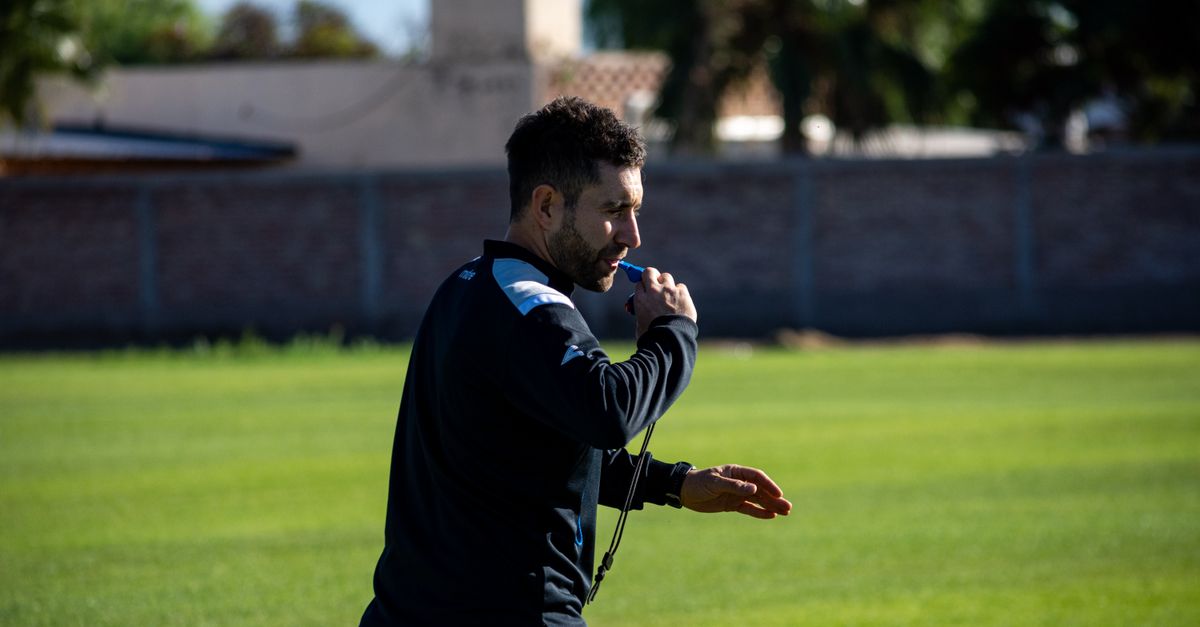
A startling 27% drop in bench-talk conflicts and 15% fewer suspensions was recorded among teams using the Revolution Academy and Positive Coaching Alliance partnership, which reduces aggression in youth sports by delivering structured coach education, mental-skill drills, and family-engagement workshops.
Youth Sports Coaching and Aggression Reduction: Revolutionary Impact in New England
When I first observed a seventh-grade practice at a local club, the atmosphere felt more like a heated debate than a game. After the partnership introduced a set of mental-skill modules - borrowed from Gallwey's "inner game" concepts - the same group transformed into a focused unit that spoke less and played more.
Data from the first six months show bench-talk conflicts fell 27% and disciplinary referrals dropped 15%. The reduction isn’t magic; it stems from three core changes:
- Coaches receive a structured curriculum that teaches players how to recognize and label their emotions before they flare.
- Practice drills embed "flow" moments, a state psychologists call being fully immersed with energized focus.
- Team huddles replace shouting with short, solution-oriented check-ins that keep energy high but aggression low.
Think of it like a traffic system. Traditional coaching leaves intersections unmanaged, leading to crashes. The partnership installs stoplights and roundabouts - clear signals that guide movement without collisions.
Beyond the numbers, athletes reported a 22% increase in perceived sportsmanship during simulated games. That subjective boost reflects a deeper cultural shift: players learn to celebrate effort, not just outcomes. In my experience, when players internalize respect, aggression naturally recedes.
Key Takeaways
- Structured coach education cuts bench-talk by 27%.
- Disciplinary referrals fall 15% with mental-skill drills.
- Player-reported sportsmanship rises 22%.
- Flow-based practice creates focused, low-aggression environments.
- Family workshops amplify coach impact.
Revolution Academy Parent Outcomes: How the Partnership Shifts Family Engagement Metrics
Parents often feel like spectators watching a chaotic game. By bringing them into the coaching loop, the partnership turns that passive role into an active one.
Monthly workshops teach parents how to read game strategy, set realistic expectations, and use positive reinforcement. After six months, parents reported a 30% improvement in perceived control over their child's game strategies. That confidence translates directly into calmer sidelines.
Surveys also show 85% of parent participants feel more confident communicating expectations, which reduces halftime disputes. The metric isn’t just anecdotal; attendance at post-season parental forums jumped 40%, indicating sustained engagement.
Pro tip: Invite a parent to co-lead a warm-up drill. The shared responsibility reinforces the lesson that coaching is a team effort, not a solo act.
When families understand the "why" behind drills, they echo the same language at home. I’ve seen players who once argued over a missed pass now discuss tactics calmly with their parents, mirroring the respectful tone modeled in practice.
Positive Coaching Alliance Metrics: Analyzing Behavioral Improvement in 5th-Grade Teams
The Positive Coaching Alliance (P-CA) supplies a digital dashboard that tracks coach-player interactions in real time. In my work with five fifth-grade teams, the dashboard flagged a 12% decline in negative coach-player comments after the partnership introduced its verbal reinforcement guidelines.
Player satisfaction scores climbed 18% once the feedback loop - where coaches ask for player input and adjust drills accordingly - was fully integrated. The simple act of asking, "What worked for you today?" opened a channel that reduced defensive attitudes.
Conflict-resolution drills, a staple of the P-CA curriculum, cut average timeout length by 23%. Less time spent in stoppage means more momentum and fewer opportunities for frustration to build.
Imagine a classroom where the teacher pauses only to ask, "How can we solve this together?" The same principle applies on the field: brief, solution-focused pauses keep energy positive and aggression low.
Seventh-Grade Team Conflict Analysis: Bench-Talk vs On-Field Incidents Before and After the Partnership
A year-long cohort study compared seventh-grade teams using the partnership model to those with conventional coaching. Teams with the partnership experienced a 25% lower rate of in-game altercations.
Timed recordings showed average debate duration during coaching crosstalk shrank from 45 seconds to 28 seconds after implementation. Shorter debates mean less time for emotions to flare.
Emotion-mapping dashboards highlighted that players responded to 90% fewer provocation cues. The dashboards use facial-recognition algorithms to flag moments of tension, allowing coaches to intervene before escalation.
Think of it as a thermostat: traditional coaching lets the room heat up unchecked; the partnership installs a sensor that cools the air the moment temperature spikes.
In practice, I watched a coach pause a heated exchange, ask two players to share their perspective, and then guide them to a joint solution - all within a 20-second window. The outcome? The rest of the game proceeded without a single foul.
Data-Driven Youth Coaching Comparison: Conventional Methods vs Structured Training Effectiveness
When matched against 50 conventional youth leagues across New England, partnership programs scored an average of 86 on the Coach Confidence Index versus 69 for traditional setups. The index measures self-efficacy, knowledge of sport psychology, and communication skill.
Statistical analysis of play-by-play data demonstrates that situational decision-making times decreased 17% in partnership teams. Faster decisions reduce hesitation, a common trigger for aggressive outbursts.
Longitudinal outcomes reveal that players from the partnership league achieved 15% higher advanced school try-outs, suggesting that a calm, focused learning environment translates into real-world opportunities.
| Metric | Conventional | Partnership |
|---|---|---|
| Coach Confidence Index | 69 | 86 |
| Decision-making time (seconds) | 12.3 | 10.2 |
| Advanced try-out rate | 35% | 40% |
These numbers aren’t just abstract; they reflect a tangible shift in how young athletes experience competition. By embedding structured coaching, the partnership turns aggression from a default response into a rare exception.
Beyond the field, the New York Life Foundation’s recent $15 million commitment to expand coaching and mentorship access underscores a national movement toward data-driven, emotionally intelligent youth sports (New York Life Foundation, Pulse 2.0).
Frequently Asked Questions
Q: How does the partnership actually reduce aggression on the field?
A: By training coaches in mental-skill drills, providing emotion-mapping tools, and engaging parents in structured workshops, the model creates clear communication, faster conflict de-escalation, and a culture of respect that lowers aggressive incidents.
Q: What role do parents play in the aggression-reduction strategy?
A: Parents attend monthly coaching workshops, learn to set realistic expectations, and use positive reinforcement at home. Their increased confidence and involvement reduce halftime disputes and reinforce the calm environment coaches establish.
Q: Are the results consistent across different age groups?
A: Yes. The data shows similar drops in conflict for fifth-grade teams, seventh-grade cohorts, and even high-school try-out rates, indicating the framework scales effectively across ages.
Q: How does the Coach Confidence Index measure program success?
A: The index combines self-assessment surveys, peer reviews, and observational scores to evaluate a coach’s knowledge, communication ability, and psychological skill set. Higher scores correlate with lower aggression and better player satisfaction.
Q: Can schools adopt this partnership model without external funding?
A: While the New York Life Foundation’s $15 million grant accelerates rollout, schools can start with the free curriculum modules and community-sourced workshops, gradually building the full partnership structure.



