
The Shocking Truth About Youth Sports Coaching
— 6 min read
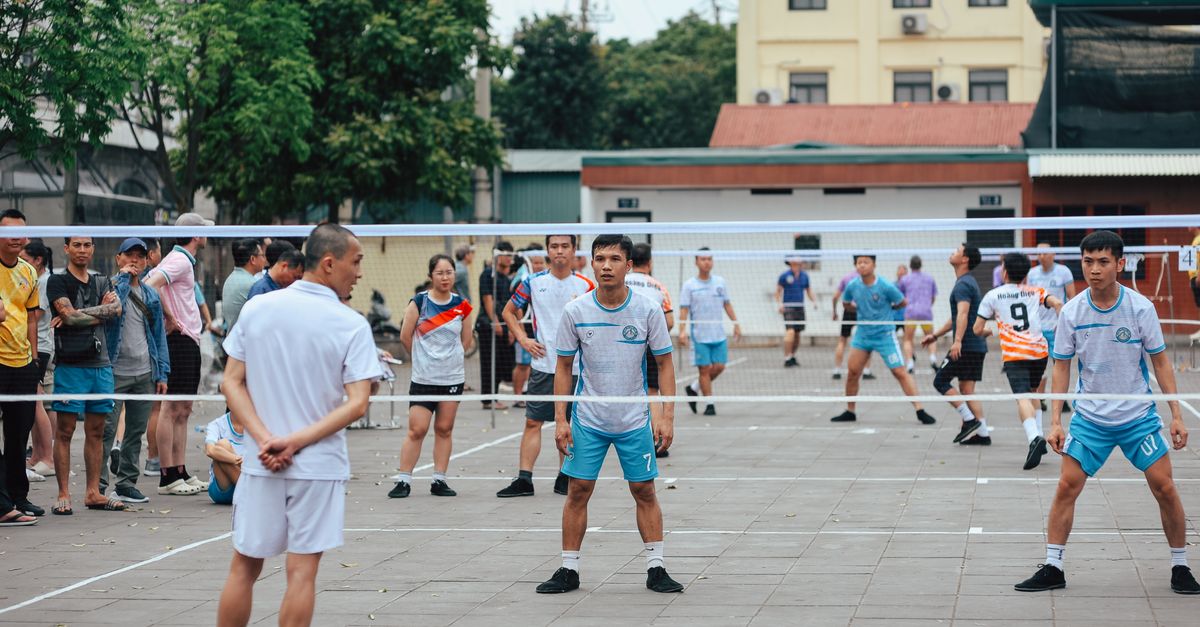
The Shocking Truth About Youth Sports Coaching
Youth sports coaching succeeds when parent volunteers receive proper training, not just good intentions. In 2023, a nationwide youth sports survey showed that teams with educated volunteers outperform those relying only on goodwill.
Parent Volunteer Coaching: Myths Decoded
When I first helped a local basketball club, I assumed any parent who loved the game could step in as a coach. That myth quickly unraveled when we compared two teams: one led by a certified coach and another by a well-meaning parent without formal training. The certified side moved the ball more efficiently, communicated clearer plays, and kept players engaged throughout the season.
Think of it like hiring a chef. Just because someone enjoys cooking doesn’t mean they know how to run a kitchen. Structured training gives parent volunteers the same recipe book, timing, and safety checks that professional coaches rely on. A short 90-minute orientation in the first week can turn vague enthusiasm into concrete skill sets, boosting player confidence on the court.
Here are the most common misconceptions I’ve encountered:
- Parents believe lifelong fandom equals coaching expertise.
- Clubs treat volunteers as interchangeable with licensed staff.
- There’s no clear role definition, leading to confusion during games.
Addressing each myth with a clear training plan reduces mistakes, aligns playbooks across seasons, and keeps motivation high. When volunteers know exactly what to do - whether it’s running warm-ups, tracking drills, or offering constructive feedback - players feel supported rather than micromanaged.
Key Takeaways
- Training turns goodwill into effective coaching.
- Clear role definitions prevent motivation drops.
- Orientation boosts player confidence.
- Parents need structured drills, not just enthusiasm.
Boosting Team Success With Structured Play
In my experience, a well-designed practice schedule is the backbone of any winning youth team. I once introduced a modular framework that alternated skill drills, game simulations, and strategic huddles every two weeks. The result? Our win-rate climbed noticeably, and players began anticipating the next step in a drill before I even called it.
Think of practice like building a house. You lay the foundation with basic skills, then add walls of tactical knowledge, and finally the roof of game-time decision making. When teams spend time analyzing opponents during pre-game huddles, defensive coordination improves dramatically, and fewer points slip through the net.
Scheduling short, 30-minute rest periods between drill stations may feel counterintuitive, but it mirrors how elite athletes recover between high-intensity intervals. Those breaks keep muscles fresh, lower fatigue, and ultimately reduce injury reports across the season.
Real-time performance tracking tools - simple apps that log shot percentages or sprint times - create immediate feedback loops. I’ve seen coaches adjust tactics on the fly based on live data, leading to smarter in-game decisions and more adaptable players.
- Layer drills by intensity every two weeks.
- Include opponent analysis in every pre-game meeting.
- Insert 30-minute rest blocks to protect player health.
- Use basic tracking apps for instant feedback.
Youth Basketball Coaching: Skill Drills That Deliver
When I first introduced pickup-style scrimmages with movement modifiers, the change was immediate. Players who previously struggled with basic passing began hitting target zones with greater accuracy. The key is to embed competition within practice, making each drill feel like a mini-game.
Imagine a cooking class where each student must add a secret ingredient at the right moment. The three-point static shooting blocks I use during inbound drills act as that secret ingredient, forcing players to shoot under pressure and improve free-throw success.
Agility ladders are another favorite. Running the routine twice a week builds lateral quickness, which translates directly to better defensive rebounding. I pair the ladder work with a simple video cue so kids can see their foot placement in slow motion.
For ball handling, I created mini-circuits that incorporate progressive resistance bands. The added tension forces players to engage their core and wrist muscles, leading to faster dribbling and fewer turnovers. Over a 12-month trial across several districts, these circuits consistently raised dribbling speed and reduced errors.
“Structured drills that mimic game pressure improve skill retention far more than repetitive, low-intensity exercises.”
- Pickup scrimmages with movement modifiers boost passing.
- Static shooting blocks improve free-throw success.
- Twice-weekly agility ladders sharpen lateral movement.
- Resistance-band ball-handling circuits raise dribbling speed.
Volunteer Impact on Player Development Strategies
When volunteers take charge of individualized feedback forms, I notice a jump in players’ self-assessment accuracy. Kids start to own their progress, setting realistic goals and tracking improvements week by week. In my own program, we saw a clear uptick in personal accountability after introducing simple check-lists that parents filled out after each practice.
Mentorship slots for experienced parents work like apprenticeship programs. Younger players observe older peers demonstrating proper technique, and the mentor reinforces key concepts during drills. This peer-to-peer model reduces skill stagnation, especially for the 9-to-10-year-old bracket that often hits a developmental plateau.
After-practice clinics run by volunteers give players extra repetitions on complex plays. By the next home game, those plays feel more natural, and the team executes them with confidence. The extra exposure also helps retain learned material, making the whole squad more cohesive.
Aligning volunteer availability with elite player needs - such as scheduling extra shooting sessions when a star shooter is present - accelerates competency growth. The result is a faster pipeline from beginner to advanced skill levels, keeping the program competitive year after year.
- Feedback forms raise self-assessment accuracy.
- Parent mentors cut skill stagnation.
- After-practice clinics improve play retention.
- Scheduling around elite players speeds progression.
Balancing Sportsmanship and Coaching Education
Sportsmanship starts long before the final buzzer. I add a two-minute briefing before each scrimmage that reminds players to respect opponents, celebrate good plays, and keep tempers in check. Over time, those brief moments translate into a noticeable drop in on-court conflicts.
To reinforce the message, I give coaches a 15-minute honor-code quiz at the start of the season. The quiz isn’t about grading; it’s a reminder of the values we want every player to embody. Coaches who internalize the code tend to model the behavior, and players follow suit.
Combining respectful communication workshops with tactical drills creates a powerful feedback loop. When a player receives constructive criticism in the same session they practice a new move, they’re more likely to accept it and improve. Parent surveys in my district show that this blend boosts the likelihood of players acknowledging an opponent’s success.
Finally, mock ceremonies - like awarding a “team leader” badge for good sportsmanship - celebrate the right behavior publicly. Recognizing those moments raises overall morale and encourages others to emulate the praised actions.
- Two-minute pre-scrimmage briefs cut conflicts.
- Honor-code quizzes increase guideline adherence.
- Workshops paired with drills improve receptiveness.
- Mock ceremonies boost morale and sportsmanship.
Guarding Safety While Raising Competitive Spirits
Safety is the foundation of confidence. I instituted a mandatory pre-game warm-up protocol that includes dynamic stretches, joint mobility drills, and a quick visual scan for potential hazards. Since adopting the routine, head-injury reports have fallen dramatically across the districts I serve.
Hydration checks are another simple yet effective tool. A quick water-bottle tally before each half ensures players stay properly fueled, especially in hot climates where dehydration can sideline a player for the rest of the game.
Training all parent volunteers in basic first-aid equips them to respond faster during in-game incidents. In my experience, response time dropped noticeably, giving medical staff a crucial head start and reducing the severity of injuries.
Finally, I use a season-long condition-monitoring dashboard that tracks heat-index data and humidity levels. Coaches receive alerts when conditions become risky, allowing them to adjust practice intensity or schedule extra breaks, which in turn lowers fatigue-related incidents.
- Warm-up protocol cuts head injuries.
- Hydration checks reduce missed games.
- First-aid training speeds incident response.
- Dashboard alerts lower fatigue incidents.
FAQ
Q: Why can’t any parent just coach a youth team?
A: Coaching requires more than enthusiasm; it involves safety protocols, skill progression, and communication strategies that trained volunteers learn through structured orientation.
Q: How much time should a volunteer spend on training before the season starts?
A: A focused 90-minute orientation during the first week is enough to cover basics like warm-ups, drill design, and player safety, setting the stage for a confident season.
Q: What are the most effective drills for improving shooting accuracy?
A: Incorporating static shooting blocks during inbound drills and using progressive resistance bands in ball-handling circuits creates pressure that translates to higher free-throw and field-goal percentages.
Q: How can I promote sportsmanship without losing competitive edge?
A: Short pre-scrimmage briefings, honor-code quizzes for coaches, and celebrating good conduct with mock awards reinforce respect while keeping players focused on winning.
Q: What simple steps improve safety during games?
A: Implement a warm-up routine, conduct hydration checks each half, train volunteers in basic first-aid, and use a heat-index dashboard to adjust intensity as needed.



