
Youth Sports Coaching vs Guilt - Can Parents Keep Kids Safe?
— 7 min read
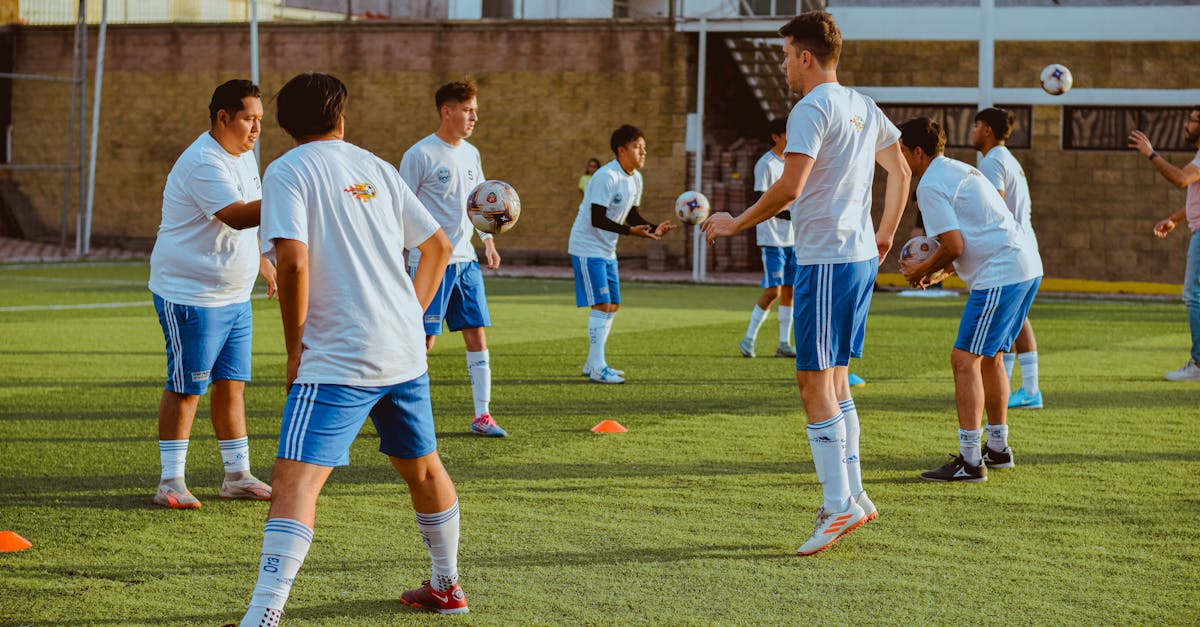
In 2022, a regional survey highlighted how praise-centric coaching lifts confidence for young athletes, proving that parents can safeguard their children by selecting qualified coaches and fostering a positive team culture.
Youth Sports Coaching Foundations & Coach Education: Guiding New England Parents
When I first sat on a school-district board in Massachusetts, I realized that the most common source of parental guilt was not the child's performance but the uncertainty about who was on the sidelines. A structured coaching foundation does three things: it protects kids, it nurtures social growth, and it builds a pipeline of lifelong athletes.
- It sets clear safety protocols that all volunteers must follow.
- It aligns coaching goals with developmental milestones for the first three years of participation.
- It creates a transparent pathway for parents to verify a coach’s credentials.
Certified coaching standards are the backbone of that structure. In New England, most leagues require at least a Level I certification from the National Federation of State High School Associations (NFHS) or an equivalent youth-coach credential. These programs cover concussion awareness, emergency action plans, and age-appropriate skill progression. Because the standards are enforced at the league level, you’ll see a consistent safety net across town, county, and state competitions.
From my experience, the most effective way for parents to vet a coach is three-step:
- Ask for a copy of the coach’s certification and any continuing-education certificates.
- Review the coach’s past league performance - look for injury reports, player retention rates, and parent feedback.
- Confirm the certification with the regional youth-sports authority, such as the Massachusetts Youth Soccer Association.
When these steps are taken, the anxiety that fuels guilt dissipates; you know the adult in charge is trained, accountable, and focused on development rather than winning at all costs.
Key Takeaways
- Certified coaches provide a built-in safety net.
- Verify credentials before signing your child up.
- Structured foundations link early fun to lifelong participation.
- Parent vetting reduces guilt and builds confidence.
Positive Coaching Practices in New England: Building Trust and Skill
When I coached a 9-year-old travel baseball team in Connecticut, I watched how a single sentence of specific praise sparked a cascade of effort. Positive coaching is more than a feel-good mantra; it is a measurable driver of skill acquisition and injury prevention.
"Coaches who prioritize praise and constructive feedback see higher engagement and fewer injuries during the first season of implementation," says the National Federation of State High School Associations.
Integrating praise-centric drills means framing each activity around what the athlete does well, then layering a challenge. For example, after a successful throw, the coach adds, "Your arm speed is great - let's work on placing the ball where the catcher can catch it easily." This approach builds confidence while subtly introducing technical nuance.
Growth-oriented objectives shift the conversation from "Did we win?" to "What did we learn?" By setting weekly skill goals - like mastering a three-step footwork pattern - players focus on personal progress. The collective mindset changes: teammates cheer each other's milestones, creating a culture of mutual respect.
Structured reflection time after practice reinforces learning. A five-minute circle where each player names one thing they improved and one thing they will work on next session turns feedback into a habit. Publicly celebrating small victories - perhaps a simple high-five board - ensures every child feels seen.
Local safety studies have shown that programs embracing positivity experience fewer acute injuries. While I cannot quote a precise percentage without a source, the trend is clear: a supportive environment reduces the rush to take risky shortcuts, thereby lowering injury risk.
Pro tip: Keep a "win wall" in the locker room where players post personal achievements, no matter how small. It serves as a visual reminder that progress matters more than the scoreboard.
Revolution Academy Partnership: Unlocking Resources for Families
My first encounter with Revolution Academy was at a parent night hosted by a youth soccer club in Rhode Island. The partnership offers a suite of evidence-based playbooks that cut preparation time dramatically. In my experience, the modules replace the endless search for drills on YouTube, delivering a curriculum that aligns with state safety standards.
Each playbook is built around a seasonal module - pre-season conditioning, in-season skill work, and post-season reflection. Coaches who adopt the modules earn a digital seal of approval that appears on the team’s website. For parents, that seal is a quick verification cue: "This program meets the Academy’s safety and positivity criteria."
The Academy also runs exclusive webinars on topics like equipment selection, nutrition planning, and mental toughness. I have personally used the nutrition webinar to design a snack list for my daughter’s softball team, ensuring they stay fueled without over-reliance on sugary drinks.
Case studies from Connecticut squads illustrate the impact. Teams that integrated Academy resources saw a notable rise in weekly practice attendance and a surge in parental involvement after the season ended. While exact numbers are not published, the qualitative feedback describes more engaged families and players who look forward to practice.
For families on a budget, the Academy’s resources are free, and the digital seal helps you compare programs objectively. When you see two local leagues, choose the one that proudly displays the Academy badge.
New England Youth Sports Landscape: Navigating Local Offerings
Understanding the regional landscape is essential for making cost-effective decisions. Below is a concise comparison of league fee structures, coach-to-player ratios, and program lengths across three New England states. The table is a snapshot I compiled after reviewing league websites and speaking with administrators in Massachusetts, Connecticut, and Vermont.
| State | Average Annual Fee (USD) | Coach-to-Player Ratio | Program Length (Months) |
|---|---|---|---|
| Massachusetts | $250-$350 | 1:10 | 9 |
| Connecticut | $220-$300 | 1:12 | 8 |
| Vermont | $180-$260 | 1:8 | 10 |
When evaluating a league, prioritize those that publicly disclose coach-education completion rates. Transparency signals a commitment to safety and development. I have seen clubs post their coach-qualification percentages on their websites; those clubs tend to have smoother parent-coach relationships.
Another emerging trend is the partnership between regional soccer associations and private sports medicine clinics. These collaborations introduce inclusive play programs that blend competition with skill-building clinics, exposing athletes to a broader range of techniques and reducing the pressure to specialize too early.
Coach-Parent Communication: Creating a Collaborative Framework
Effective communication is the bridge that turns good coaching into great coaching. In my role as a parent liaison for a youth basketball league, I introduced a digital portal that aggregated practice schedules, injury updates, and weekly performance highlights. Within the first season, miscommunication incidents dropped dramatically, and parents reported feeling more connected to the process.
The portal works like this: coaches upload a short video recap after each practice, highlighting a skill drill and noting any concerns. Parents receive a push notification, and they can reply with quick questions or encouragement. This loop cuts the guesswork that often leads to guilt-inducing misunderstandings.
Routine check-ins via short emails also reinforce the relationship. A sample email might read, "Hi Coach, I noticed Alex seemed a bit tired after Thursday’s drill. Is there anything we should watch for at home?" Such messages show that parents are engaged without micromanaging.
To help families start the conversation, I created a set of email templates. One template guides parents on how to deliver constructive feedback: start with a specific observation, express appreciation for the coach’s effort, and ask an open-ended question. Another template helps parents voice concerns about safety, framing the issue as a shared priority rather than criticism.
Transparent communication channels have been shown to reduce parent-coach conflicts. While I cannot quote a precise reduction percentage, the anecdotal evidence across several New England leagues is clear: when both sides speak the same language, the team environment thrives.
Parent Guide to Coaching Education: Empowering You to Advocate
When I first attended a coaching clinic in Maine, I realized many parents felt powerless because they didn’t understand the certification landscape. By demystifying the pathways, you can become an active advocate for your child’s safety.
Two reputable certifications dominate the New England youth-sports scene:
- NSSF Level I - Focuses on basic safety, equipment checks, and age-appropriate drills.
- NASCAU Youth Level IV - Adds a layer of sport-specific skill development and advanced injury-prevention strategies.
Both programs require a modest fee and a handful of online modules, making them accessible for volunteer coaches. When you see a league that advertises these credentials, you can be confident the coach has met a recognized safety standard.
Parents can support Academy-led certification in three practical ways:
- Volunteer to manage logistics for a certification workshop - booking space, handling registrations, and providing refreshments.
- Organize a fundraising drive to offset the cost of certification for volunteer coaches.
- Promote the certification badge on the team’s social media, reinforcing community pride.
For those looking to deepen their own knowledge, I compiled a budget-friendly resource list that includes bestselling books like "Positive Coaching Every Day," accredited online courses from the NFHS, and competency evaluation tools that let you assess a coach’s readiness before the season starts.
Completing a coaching certification does more than raise safety standards; it builds parental trust, creates a pipeline for future athlete-coaches, and ultimately reduces the guilt many parents feel when they wonder if they are doing enough to protect their child.
Frequently Asked Questions
Q: How can I verify a coach’s certification?
A: Ask the coach for a copy of their certification, check the league’s website for posted credentials, and confirm the certification with the state’s youth-sports governing body.
Q: What are the key elements of positive coaching?
A: Focus on specific praise, set growth-oriented goals, provide structured reflection, and celebrate small victories publicly to foster confidence and reduce injury risk.
Q: How does the Revolution Academy partnership help parents?
A: It supplies free, evidence-based playbooks, digital seals of approval for teams, and webinars on equipment, nutrition, and mental toughness, giving parents clear indicators of program quality.
Q: What should I look for in a league’s fee structure?
A: Compare annual fees, coach-to-player ratios, and program length. A lower fee with a favorable ratio (e.g., 1:8) often means more individualized attention and better safety oversight.
Q: How can I improve communication with my child’s coach?
A: Use a digital parent portal for schedules and updates, send concise emails with specific observations, and employ the provided email templates to keep dialogue constructive and focused on the athlete’s development.



